Bodily Fluid Cleanup
Homes, care environments and businesses receive bodily fluid cleanup and disinfection.
See bodily fluid cleanupGet human feces removed from a home, rental, workplace or public restroom in Des Allemands. The affected area is cleaned, disinfected and treated for odor before normal use resumes.
Human feces cleanup is a controlled process for taking away fecal matter and safely disposing of it, followed by cleaning, disinfection and odor treatment throughout the affected space.
Illness, an accident, a toilet overflow, sanitation trouble, hoarding or ongoing contamination in a shared area may leave you needing this service. The work may be done in your home or apartment, as well as an office, public restroom, hotel, school, store or care setting. When urine is also present, it can be cleaned along with the feces.
Visible waste is not the full extent of cleanup. A defined work zone keeps surrounding spaces protected while technicians take out contaminated material that cannot be disinfected. They clean hard surfaces, then use an EPA-registered disinfectant for the complete label contact time. Only after source removal does odor and air quality work follow, since fragrance by itself is not sufficient.
Before work starts, you learn which areas will be cleaned, which materials might be removed and what can affect the scope. You can ask questions throughout the entire process.
Calls are answered during daytime and nighttime hours, and crews may use unmarked vehicles. You can discuss your circumstances calmly and without judgment.
When possible, you take part as personal items are assessed. Items are not grouped as waste simply because they were near the affected area.
When requested, pictures, work details and disposal paperwork can be organized for insurance companies, property managers and property owners.
Professional cleanup may be the appropriate choice if the contamination's location, condition or volume makes regular household cleaning unsafe or unrealistic. Common examples are:
Bedding, floors, furniture and the route out of a room may be affected by a bowel accident. Cleaning includes both the obvious spot and surrounding areas touched by hands, footwear or wheels.
An incident in an office, restroom, vehicle or shared space may require employers to arrange a prompt, documented cleaning process.
Carpet, wood, upholstered surfaces and grout can absorb combined contamination. Before odor or stain treatment, the source needs to be taken away.
Employees and visitors need to remain outside a controlled cleaning area when waste is found in a hallway, office, store, stairwell or restroom.
Begin by reducing contact and keeping contamination from spreading to another area. While you arrange a suitable cleanup service, follow these steps:
Call (888) 440-9227No separate range for human feces cleanup appears in published pricing guides. The nearest bodily-fluid range, covering small blood or fluid cleanup, starts at $500 and ends at $2,500 overall. The wider blood-cleanup span has $300 at the low end and $4,000 at the high end. These related references are not a set quote for feces cleanup. The amount of waste, affected surface, disposal needs and odor treatment determine your cost.
Published national cost guides are the source for these ranges, rather than an inspection of your property. After an on-site assessment, the price for your property is determined and shared with you before cleanup begins.
Ask about cost: (888) 440-9227Your policy's terms, exclusions and limits, along with what caused the contamination and which property was damaged, determine whether coverage applies.
Ask your insurance company whether the cause is covered and whether cleanup, removal of damaged materials and restoration are separate parts of the claim. Routine neglect may be treated differently from a sudden event.
Photos, an itemized scope and waste records may support the insurance claim. Ask whether you can choose the cleaning service and whether restoration services require separate approval.
Cleaning of commercial premises is usually organized by the business. Ask the insurance company about documentation and leave the affected area closed until cleaning is complete.
Lease language, local regulations and the source of contamination can affect responsibility. When practical, property owners should record the damage and contact the insurer before throwing away affected building material.
To keep waste from being carried into clean spaces, the remediation work proceeds in a controlled order from contaminated areas. You are informed about the scope of every step before cleaning starts.
Trained technicians note access limits and affected areas or surfaces, then identify extra dangers such as needles, blood, urine or an ongoing sewage backup.
The work zone is isolated by cleanup technicians, who wear protective gear selected for the specific exposure. Clean entry and exit paths help protect nearby rooms.
Visible waste is lifted carefully instead of swept or sprayed. Disposable material is placed directly into sturdy, sealed containers or bags.
With your permission, workers may remove carpeting, padding, raw wood, drywall or furnishings that cannot be completely cleaned, keeping them apart from unaffected belongings.
Cleaning first removes visible soil and residue from solid surfaces. This matters because disinfectants work only when they reach the surface for the stated contact time.
An EPA-registered disinfectant suited to the surface is applied according to its label. When contact could have carried contamination, cleaning also covers nearby surfaces and frequently touched points.
The source is removed before odor treatment begins. When odor or airborne material reaches surrounding spaces, air scrubbers and specific treatments may be appropriate.
The inspection covers lingering residue, untreated surfaces and any remaining odor. Local requirements guide management of bagged material, while repairs may start once cleaning is complete.
You can call anytime. A human feces cleanup specialist answers, explains the steps and agrees a start time with you.
The main health risks are direct contact and unintended spread because human feces may carry bacteria, viruses and parasites that cause disease during cleanup.
Carpet, padding, unfinished wood, drywall and upholstery can absorb liquid and residue below the surface. Wiping the top may leave contaminated materials and odor behind.
Hidden among the waste may be needles, shattered glass or other items that can cut you. If you cannot view everything inside, keep your hands out of piles and do not squeeze bags.
People with compromised immune systems, older adults and children should avoid the affected and surrounding areas through removal, disinfection and the last inspection.
Can you clean it yourself? When a recent accident is minor and the surface is sealed and non-porous, you may manage it with disposable gloves, cautious pickup and an EPA-registered disinfectant left on for the full label contact time. Call for professional cleanup when waste is widespread, dried, mixed with blood or sharps, or soaked into carpet, wood, drywall, furniture or other porous material.
Porous items may have to be removed after absorbing waste, since contamination can persist out of sight beneath the surface. Materials that are accessible and able to be fully disinfected are usually left in place.
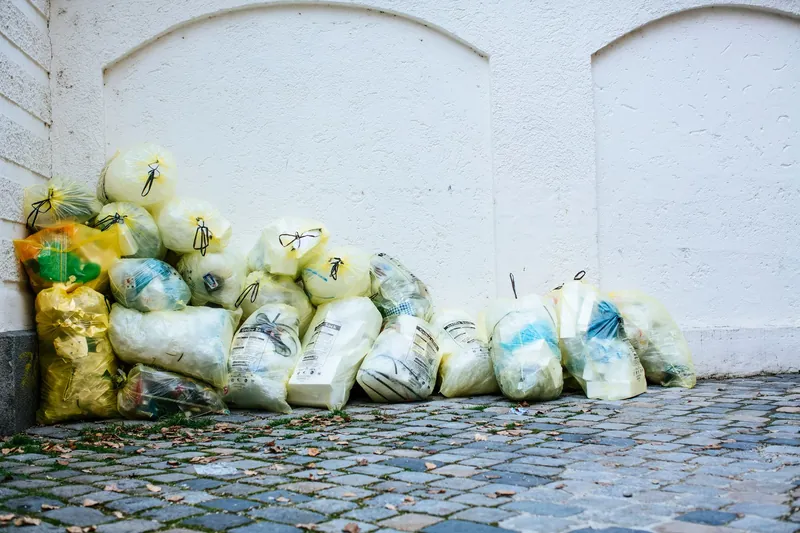
Occupational contact with potentially infectious material or blood falls under OSHA Bloodborne Pathogens Standard 29 CFR 1910.1030 in the workplace. Feces not visibly contaminated with blood is not automatically covered by that definition, but employers still need appropriate hazard controls and protective equipment.
The surface must be compatible with the disinfecting product and stay wet for all of its stated label contact time. Disinfection follows the cleaning of visible residue.
Louisiana treats soaked materials from a biohazard scene as potentially infectious biomedical waste. Louisiana Department of Health sanitary code rules control how it is packaged, stored and transported, so it cannot go in household trash. A separate disposal method may be required when waste contains sharps, blood or another regulated material.
Local health and building rules can affect how a contaminated room is cleaned and when it can be used again, so mention any notice you have received from the city or county. Local health, sanitation, building or workplace requirements may also apply to rentals, businesses and shared facilities.
A limited hard-surface cleanup can take several hours. If the job includes porous material, more than one room, hidden contamination or odor treatment, it may need one or more workdays, with extra time required for repairs.
The full human feces cleanup guide covers what is cleaned or removed, odor and air quality work, and the rules that apply in Louisiana and St. Charles Parish.
Read the full human feces cleanup guideLocal housing, population and access details can shape containment, access and cleanup planning.
With renters in 10.4% of local homes, owner occupied properties form most of the housing context for cleanup planning.
Homes with a median construction year of 1977 may contain layered renovations that hide affected materials beneath newer finishes.
There are 59 seniors living alone locally, making simple welfare check plans useful even when the overall share is lower.
Because 58.4% of housing is single-family, some calls involve one household while others require coordination around shared building areas.
During your call, ask whether cleanup is available in surrounding communities and ZIP codes.
Homes, care environments and businesses receive bodily fluid cleanup and disinfection.
See bodily fluid cleanup
Vomit cleanup and disinfection to stop norovirus and other germs from spreading.
See vomit cleanup
Removal and disinfection of blood, body fluids and other infectious material from any property.
See biohazard cleanup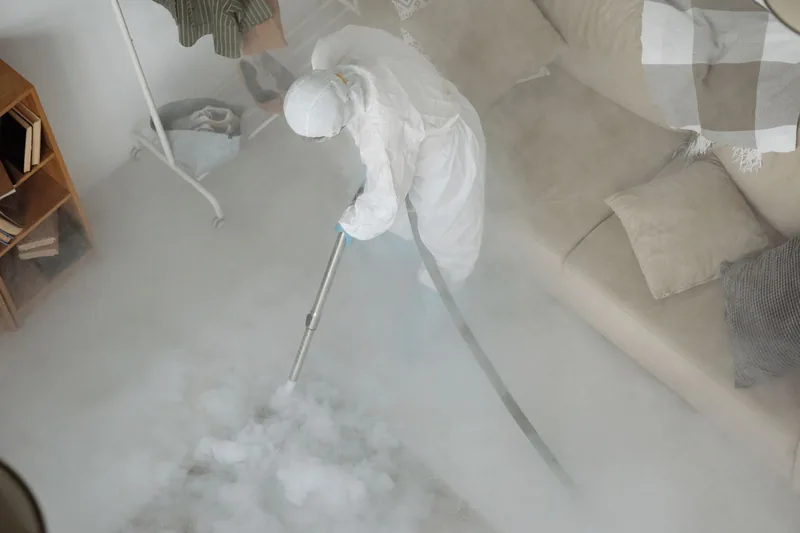
Complete decontamination treats the room, its surfaces and the air after a hazardous or infectious exposure.
See biohazard decontamination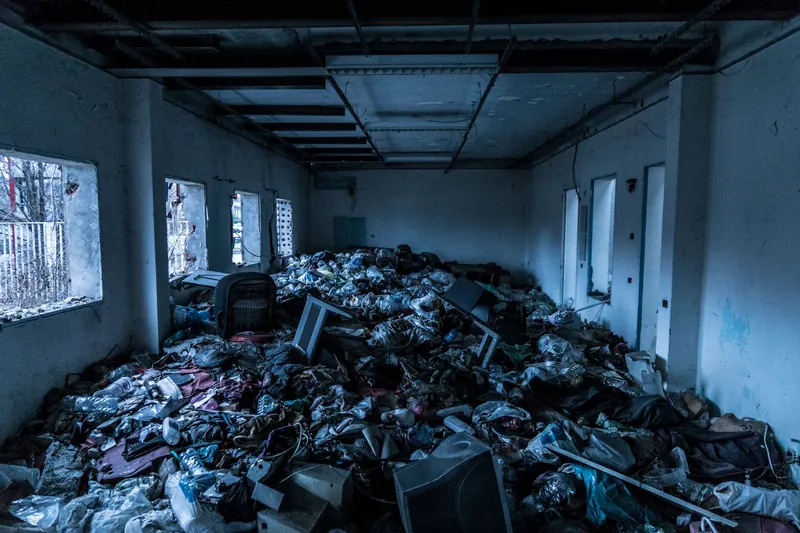
Hoarding cleanup with respectful sorting, removal and deep cleaning.
See hoarding cleanup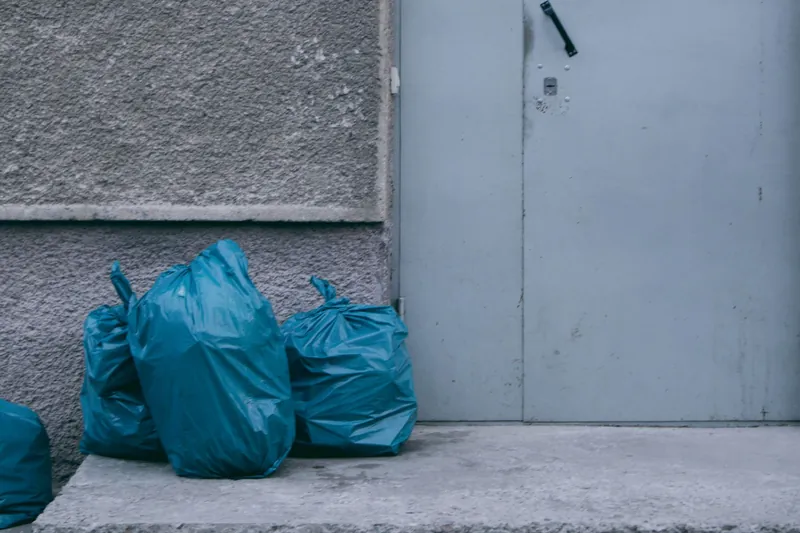
Cleanup addresses severe filth and squalor when a home has become unsafe to live in.
See filth and squalor cleanup
Disinfection and drying follow sewage cleanup of Category 3 black water from raw sewage.
See raw sewage cleanupPrevent direct exposure and keep contamination from reaching nearby spaces because human feces may contain disease-causing parasites, viruses and bacteria. How dangerous the situation is depends on the material, the person and the length of time it remained. Contamination that is broad, dried or soaked into surfaces requires professional biohazard cleanup.
Your policy and the cause of the event determine whether insurance may apply. A covered incident that happens suddenly is not necessarily treated like recurring waste, neglect or a maintenance issue. Before throwing away significant items, describe the event to your insurer, ask how biohazard remediation and damaged materials are addressed, and verify required documents, exclusions, limits and the deductible.
For a limited fresh spot, isolate the space, wear disposable gloves, avoid splashing during pickup, remove visible contamination and keep an EPA-registered disinfectant wet for the label's full contact time. Do not mix cleaning chemicals. Seek assistance when fecal matter has reached crevices, covers a broad area, contains blood or is mixed with glass shards or needles.
Begin by cleaning away soil you can see, then select a surface-compatible EPA-registered disinfectant and use it according to its label. Maintain surface wetness for the entire amount of contact time stated. Keep bleach and ammonia separate from each other and from other products. If disinfectant cannot completely reach an absorbent material, removal may be necessary rather than additional chemical use.
Professional cleanup is sensible when fecal matter covers a large area, has dried, keeps returning, contains blood or sharps, or reached carpet, wood, drywall, furniture or air vents. Commercial properties and hoarded homes may benefit from help when numerous spaces or occupants are involved. Managing a small, new accident may be possible when the surface is sealed.
There is no single safe time limit. Survival differs among bacteria, viruses and parasites, and conditions such as moisture, temperature and sunlight matter. Do not assume older, dried waste is safe simply because it has been present for a while. Avoid disturbing it and arrange controlled removal if the amount or affected materials exceed a small household accident.
You can request respectful, discreet human feces cleanup 24 hours a day, and crews use unmarked vehicles.